<
期刊详情
Evolving Systems
| 期刊ISSN: | 1868-6478 |
|---|---|
| E-ISSN: | 1868-6486 |
| 影响因子: | 2.7 |
| 自引率: | 7.4% |
| 检索数据库: | |
| 出版语言: | 英文 |
| 期刊分类: |
| 最新中科院SCI期刊分区(基础版) | |
|---|---|
|
大学学科
|
|
|
计算机技术
四区
|
|
|
按学科分区
|
|
|
计算机:人工智能
四区
|
|
|
Top期刊
否
|
|
|
综述期刊
否
|
|
| 最新中科院SCI期刊分区(升级版) | |
|---|---|
|
大学学科
|
|
|
按学科分区
|
|
|
Top期刊
|
|
|
综述期刊
|
|
| 出版信息 | |
|---|---|
| 出版商 |
SPRINGER HEIDELBERG
|
| 期刊官网 | https://www.springer.com/12530 |
| 涉及的研究方向 |
COMPUTER SCIENCE, ARTIFICIAL INTELLIGENCE-
|
| 年文章数 |
0
|
| 是否OA |
否
|
| APC费用 | |
| SCI期刊收录coverage | |
| 期刊简介 | |
|---|---|
|
Evolving Systems covers surveys, methodological, and application-oriented papers in the area of dynamically evolving systems. ‘Evolving systems’ are inspired by the idea of system model evolution in a dynamically changing and evolving environment. In contrast to the standard approach in machine learning, mathematical modelling and related disciplines where the model structure is assumed and fixed a priori and the problem is focused on parametric optimisation, evolving systems allow the model structure to gradually change/evolve. The aim of such continuous or life-long learning and domain adaptation is self-organization. It can adapt to new data patterns, is more suitable for streaming data, transfer learning and can recognise and learn from unknown and unpredictable data patterns. Such properties are critically important for autonomous, robotic systems that continue to learn and adapt after they are being designed (at run time).
|
|
| Cite Score相关 | |||
|---|---|---|---|
| Cite Score | SJR | SNIP | 排名 |
推荐会议
更多 >

EI Compendex,Scopus,IEEE Xplore
2026年智能系统控制、优化与应用国际学术会议(ISCOA 2026)985主办
IEEE出版
2026-10-16 - 2026-10-18
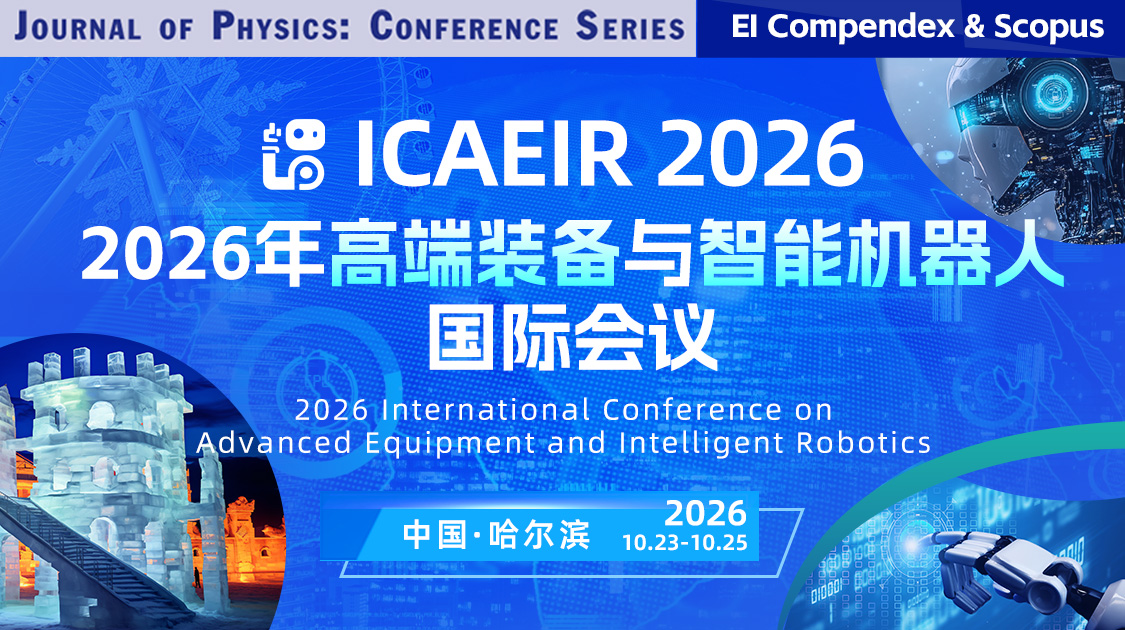

EI Compendex,Scopus,IEEE Xplore
第二届先进计算与智能机器人应用国际学术会议 (ACIRA 2026)IEEE出版
985主办
2026-11-06 - 2026-11-08



EI Compendex,Scopus,IEEE Xplore
第三届大数据分析与人工智能应用国际学术会议(BDAIA 2026)交叉学科
IEEE出版
2026-11-20 - 2026-11-22

EI Compendex,Scopus,IEEE Xplore
第二届AI赋能图像处理与计算机视觉技术国际学术研讨会(AIPCVT 2026)IEEE出版
多届检索
2026-11-20 - 2026-11-22


